







Search Results for: Pineapple Iced Americano

Manner Pineapple Iced Americano's single shot sparks debate, loyal customers question brand's new product development capability
Manner's recently launched pineapple-flavored iced americano abandoned the sparkling water recipe that had often been criticized before, switching to still water instead. It was expected to restore its reputation, but instead sparked a new round of controversy because the standard serving contains only one shot. Many customers reported that the drink tasted weak, and even when staff proactively asked whether they would like a free extra shot, the experience still showed no noticeable improvement. From the green tonic to the pineapple americano, a string of disappointments has led loyal users to begin questioning Manner's R&D capabilities, and the trust that once had them blindly rushing to try new products is gradually being eroded. This article compiles customer feedback and market reactions to present the real reviews behind this new cup. [more…]
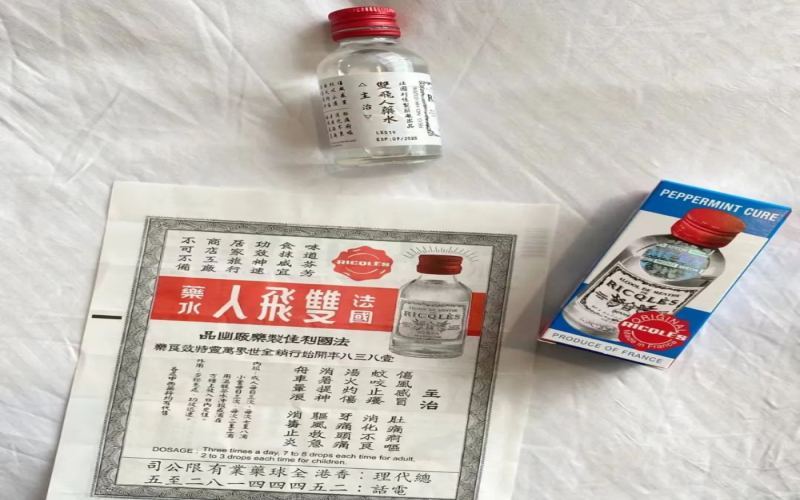
Double Flying Man Medicated Oil Mixed with Iced Americano? The Wild Ideas and Hidden Worries of Guangdong's Specialty Coffee
Recently, sauce-flavored lattes and Moutai coffee have flooded social media, but the wild concoctions from netizens in Guangdong are even more jaw-dropping—they've dripped the household staple "Shuangfeiren" medicinal oil into iced Americano to create a "Shuangfeiren Iced Americano." This trend has also spawned "everyday collabs" like Jiujiang Shuangzheng Latte, Pineapple Beer Americano, and Yubingshao Coffee. This article takes you through the origins of these outrageous pairings, while reminding you: mixing coffee with alcohol requires caution, as the combined stimulant and excitatory effects may impact the nervous system, and those with heart, gastrointestinal, or liver issues should especially avoid it. Joking around is one thing, but your health comes first. [more…]
The Complete Guide to Coffee English Vocabulary: From Common Coffee Shop Words to Ordering Terms and Detailed Explanations of Fancy Coffee Names in English
Walking into a coffee shop and facing a wall full of English menus, have you ever felt at a loss? This article systematically compiles common coffee-related English vocabulary, covering basic coffee shop terms, general coffee names, English expressions for fancy coffee, and high-frequency professional terms like Barista, Shot, and Espresso that appear when ordering. Whether you want to enhance your coffee knowledge or hope to be more calm and confident the next time you order, this vocabulary guide can help you quickly master the language code of the coffee world. The article also particularly recommends several products from Front Street Coffee, making it convenient for enthusiasts to follow the guide and learn while tasting. [more…]
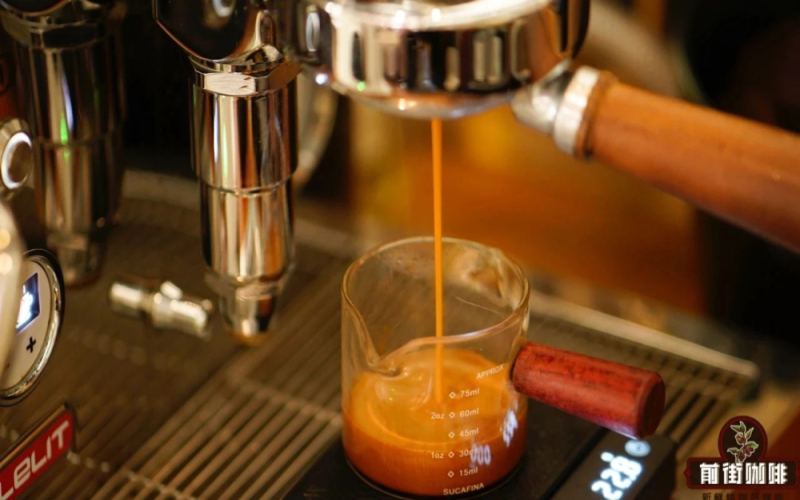
A Complete Collection of Coffee Names in Chinese and English: From Espresso to Iced Americano, Master Common Coffee Expressions in One Article
Walking into a coffee shop, do you often feel confused by the dazzling array of coffee names on the menu? Espresso, Cappuccino, CafeLatte, Americano... these seemingly familiar words—what coffee flavors do they actually correspond to? This article systematically compiles the Chinese and English names of common types of coffee, covering multiple categories such as Italian classics, French drip, iced coffee series, flavored cappuccino, Americano variations, single-origin coffees, and specialty blended coffees, totaling dozens of Chinese-English coffee comparisons. Whether you are a coffee enthusiast just starting out or a seasoned drinker looking to expand your knowledge, this list can help you quickly build a complete cognitive framework of coffee names. The article also specially includes product recommendations from Front Street Coffee, making it convenient for you, after learning the names, to find the corresponding good beans and experience them yourself. [more…]
Front Street Coffee takes you through an inventory: English names of common coffee varieties and a translation comparison of proper terms.
After coffee was introduced from overseas, it developed into a rich and diverse range of categories, and different countries and regions have given them distinctive English names. For coffee lovers, mastering the English expressions for these common coffees not only helps you order with greater ease, but also deepens your understanding of coffee culture. Front Street Coffee has compiled this time a list of the most frequently seen coffee categories on the market and their English equivalents, covering Italian classics, iced drink series, flavored specialty drinks, and regional specialty coffees, with Chinese-English comparisons listed one by one for easy reference and memorization. Whether you are a beginner just starting out or a veteran hoping to expand your knowledge base, this list is worth saving. For more specialty coffee knowledge, please follow Front Street Coffee (Frontsteet Coffee). [more…]

Comparing the Bitterness of Americano and Espresso: Can Iced Americano Be Made with Cold Brew or Pour-Over?
How do Americano and espresso differ in their bitterness? How should coffee beans be chosen to make a delicious Americano? If there is no coffee machine, can cold brew or pour-over be used instead to make an iced Americano? Starting from the compositional principles of Americano, this article will analyze the influence of the espresso machine on flavor and provide specific brewing methods and parameter suggestions. At the same time, focusing on the two methods of cold brew and pour-over, it will explain their essential differences in mouthfeel from iced Americano, and recommend coffee bean types suitable for low-temperature extraction, helping coffee lovers find a suitable brewing path under different conditions. [more…]
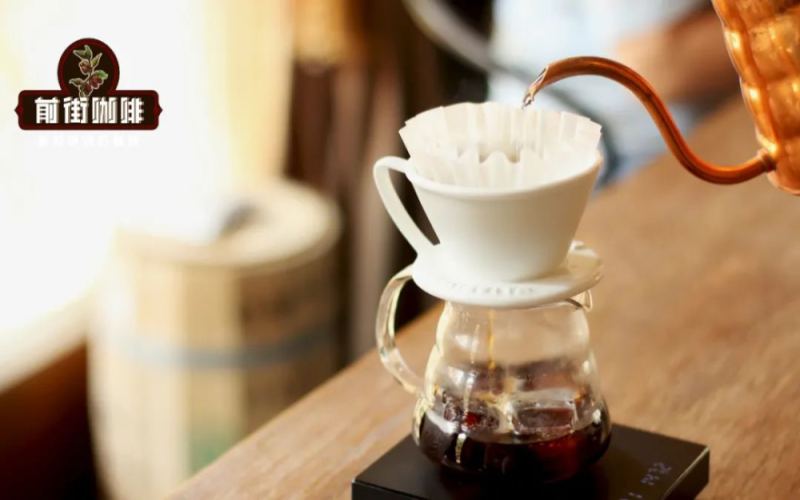
A Complete Analysis of the Flavor Differences Between Iced and Hot Pour-Over: Which Coffee Beans Are Better for Iced Brewing?
During the National Day holiday, many coffee enthusiasts visited the shop to buy coffee beans and also asked Front Street about a common confusion: the same beans, when brewed as hot pour-over, have excellent aroma and taste, but when made into iced pour-over, the flavor becomes vague, the mouthfeel is thin, and it even tastes like water. Why exactly is this? Front Street selected four coffee beans with different styles and conducted hot pour-over and iced pour-over extractions respectively, comparing them from the three dimensions of aroma, flavor, and mouthfeel. This article will take washed medium-light roast, natural medium-light roast, dark roast, and fermented beans as examples, presenting the true performance of each under the two brewing methods one by one, and deeply analyze the reasons why iced pour-over flavor becomes weaker. Finally, it will give suggestions for selecting coffee beans suitable for making iced pour-over, helping everyone enjoy a rich yet refreshing iced coffee even in hot weather. [more…]
Why Does Iced Pour-Over Coffee Taste Weaker? A Comparative Analysis of Hot and Cold Extraction with Four Different Coffee Bean Styles
Both are pour-over coffees, but just how big is the difference in taste between the hot version and the iced version? Many coffee enthusiasts have noticed that certain beans, when brewed hot, are full of aroma and layered with complexity, yet once turned into iced pour-over, they become as bland as water. To get to the bottom of this, Front Street Coffee selected four coffee beans with distinctly different profiles and brewed each as both hot pour-over and iced pour-over, comparing them one by one across three dimensions: aroma, flavor, and mouthfeel. This article not only presents the detailed comparison results, but also starts from the principles of extraction to explain why iced pour-over tends to lose flavor, and offers advice on selecting coffee beans suitable for making iced pour-over. [more…]
Exploring the bitterness differences between Americano and Espresso: Can iced Americano be made with pour-over or cold brew?
Is Americano or Espresso more prominently bitter? Without a coffee machine, can you use pour-over or cold brew instead to make an iced Americano? Starting from the compositional principles of Americano, this article breaks down its key preparation points and bean selection advice in detail, and recommends several Front Street brand coffee beans, including Front Street Dark Cocoa Blend, Front Street Golden Mandheling SOE, and more, helping beginners get started easily. At the same time, it compares the flavor differences between cold brew and pour-over coffee, and provides a list of floral and fruity beans suitable for low-temperature brewing, such as Huakui, Red Cherry, Guodingding, and others, so you can make a refreshing, sweet, and smooth iced coffee at home too. [more…]
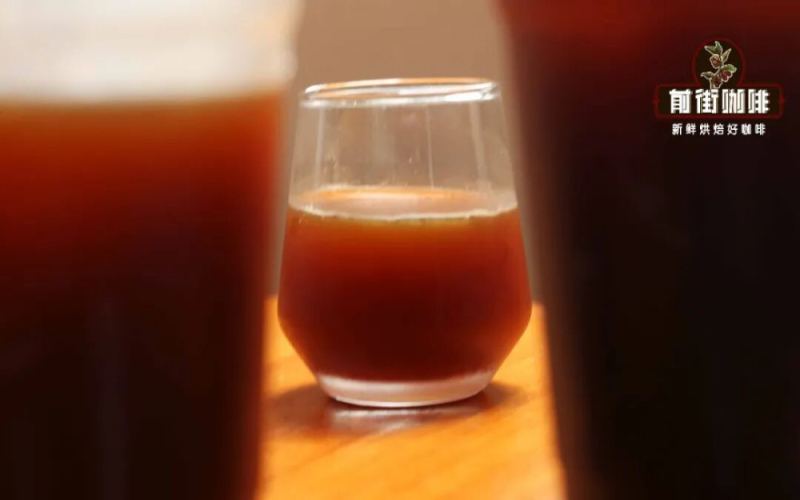
Why Does Iced Americano Become Cloudy? Unveiling the Real Causes of Suspended Particles in Black Coffee
Many coffee enthusiasts will notice that the iced Americano they make sometimes isn't as clear and bright as they expect, but instead shows a visibly cloudy state. Where exactly does this cloudiness come from? Does it mean there's a problem with the coffee quality? This article will start from the extraction principles of espresso, and combine a comparative experiment between two beans—Front Street Coffee's Huakui SOE and Front Street Coffee's classic blend—to deeply analyze how factors such as very fine particles, roast level, coffee freshness, and hot-versus-cold differences affect the appearance of iced Americano, while also discussing the unexpected value these suspended particles bring to coffee flavor. [more…]
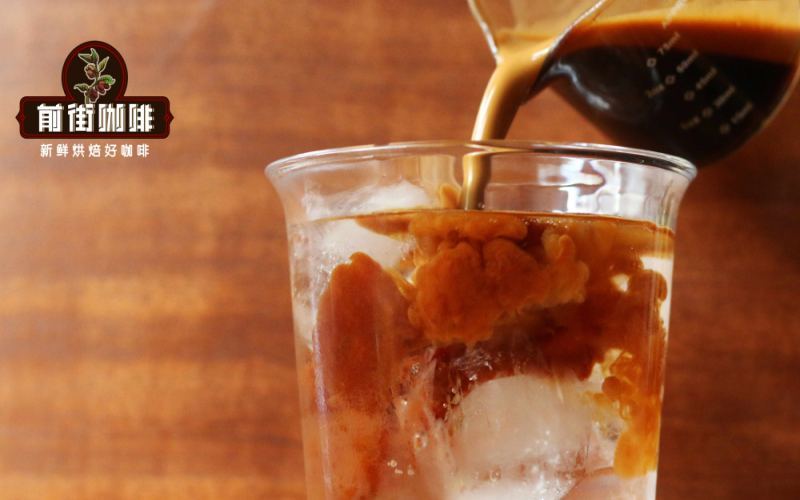
The Complete Guide to Summer Americano Coffee: Flavor Characteristics, Extraction Ratios, and Coffee Bean Recommendations for Americano and Milk Coffee
On a scorching summer day, iced Americano becomes the top choice for many coffee lovers. Americano may seem simple, consisting only of espresso and water, yet it is the ultimate test of a barista's extraction skills and the best way to showcase the true character of the coffee beans. Starting from the flavor characteristics of Americano, this article explains in detail the brewing ratios for hot and iced Americano, and addresses the different needs of Americano versus milk-based lattes by recommending three espresso blends—Front Street Classic Blend, Dark Cocoa Blend, and Strawberry Candy Espresso Blend—as well as three single-origin SOE everyday beans: Queen's Estate, Bird of Paradise, and Mozart, helping you find the one that suits your daily drinking. [more…]
Why Does Iced Americano Lead in Sales? Americano Flavor Analysis and Coffee Bean Recommendations for Americano and Milk Coffee
Americano seems simple, consisting only of espresso and water, yet it is the ultimate test of a barista's extraction skills. Without the embellishment of milk, the flavors of the coffee beans themselves are infinitely amplified, so an Americano is not only convenient and quick, but also a direct way to judge a shop's quality. It has a refreshing taste, is low in calories, and can aid digestion; combined with exercise, it even helps with fat loss—no wonder it has become a star product in coffee shops. This article will explain in detail the ratios and extraction key points for hot and iced Americanos, and separately recommend espresso blends and single-origin SOE coffee beans suitable for daily drinking, including several classic everyday beans from Front Street Coffee, to help you easily make a delicious and refreshing Americano or a latte. [more…]

Analysis of the Milk Cube Iced Latte Preparation Method: The Origins of Affogato and Espresso Ice Cream, and the Definition of Latte Coffee
In the height of summer, coffee shops everywhere are rolling out refreshing specialty drinks like orange C Americano, mint latte, and affogato. These beverages sell well not only because they taste great, but also because they pair perfectly with the hot weather. Although Front Street Coffee's stores don't sell such products, with years of coffee-tasting experience, Front Street Coffee will share delicious coffee recipes suitable for summer enjoyment one after another, so everyone can recreate the flavors of coffee shops at home. This time, the first to be introduced is a recently popular affogato variation—Milk Brick Latte. The article will trace the Italian origins of affogato, explain that it is made from just two ingredients, espresso and ice cream, and further clarify the basic definition of latte, helping coffee lovers fully understand the connections and differences among these drinks. [more…]
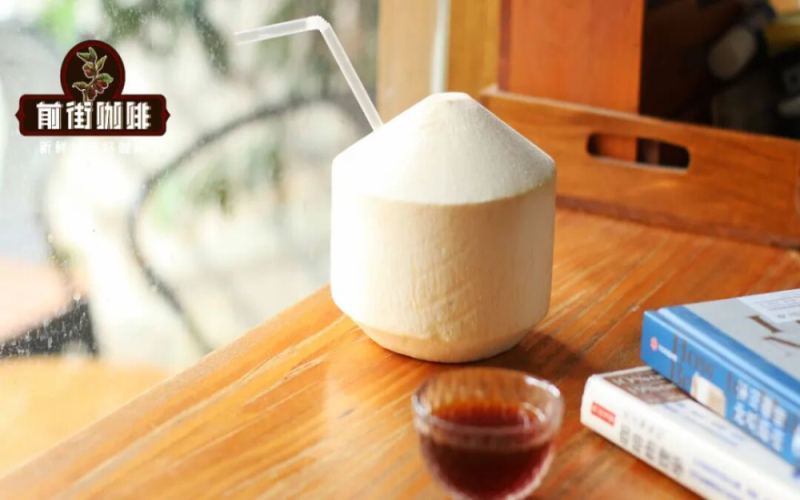
Is It Feasible to Use Coconut Water Instead of Plain Water for Pour-Over Coffee? A Practical Record of Coconut Americano and Iced Pour-Over
In the coffee world, the combination of coconut and coffee is nothing new—from coconut water americano to raw coconut latte, there's no shortage of creative variations. But Front Street Coffee recently stumbled upon a more "unorthodox" approach—using coconut water instead of plain water to brew freshly ground coffee. To find out whether this coconut water pour-over is actually drinkable, Front Street Coffee brewed a hot pour-over and an iced pour-over using fresh young coconut and Sidamo Alo beans, keeping a complete record from parameter settings to actual flavor. If you're also curious about how to make coconut water pour-over coffee, you might want to check out this hands-on report before deciding whether to give it a try. [more…]
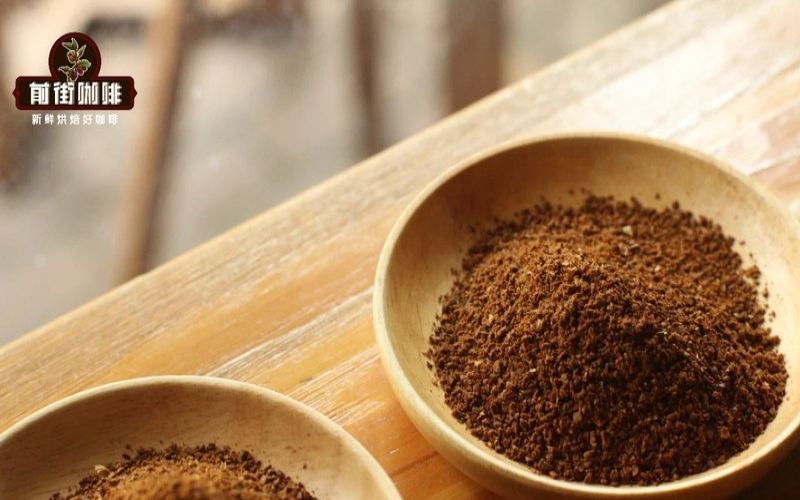
How to Choose Coffee Beans with Tropical Fruit Flavors: From Light Roast to Medium-Dark Roast
Tropical fruit flavors are commonly associated with notes like mango, passion fruit, pineapple, guava, and ripe berries. They smell bright and lively, and on the palate they easily bring out a juicy, sweet-tart quality. However, even when a coffee is described as fruity, different roast levels can make what’s in the cup shift from crisp fresh fruit to soft fruit jam. If you want to taste a particular kind of fruitiness, you can start with [more…]

Cold Brew Coffee via Low-Temperature Slow Extraction: Principles, Grind Size Selection, and the Suitability of Mandheling
The most delightful thing in summer is nothing more than staying at home with the air conditioning on and drinking a cup of homemade cold brew coffee. Cold brew uses low-temperature extraction throughout, which is completely different from iced pour-over or iced Americano, where hot water is used first and ice is added afterward. Low temperatures suppress the release of bitter compounds, but they also lengthen the extraction time, generally requiring 6 to 12 hours. This article will explain the relationship between the extraction principles of cold brew and the flavor composition of coffee beans, explain why increasing concentration actually requires coarsening the grind, provide a specific method using 30g of coffee, a 1:13 coffee-to-water ratio, and 8-12 hours of refrigeration, and sort out three types of beans suitable for cold brew: light roast, fermented flavor, and dark roast, with a key response to whether Mandheling is suitable, while also noting that choosing coffee beans rested for more than 10 days is better for aroma expression. [more…]

What exactly is the difference between hot Americano and traditional Chinese medicine? Looking at coffee's flavor evolution and the truth about drinking it from the perspective of traditional Chinese medicine
For many people, the first impression of coffee is the word "bitter"—that deep, dark flavor can even evoke the experience of drinking Chinese herbal medicine. But can coffee really be equated with Chinese herbal medicine? From the perspective of traditional Chinese medicine, coffee does indeed have certain medicinal value: it is pungent and warm in nature, and can refresh the mind, boost kidney yang, and promote diuresis. However, hot Americano and Chinese herbal medicine differ fundamentally in extraction method, purpose of consumption, and purchasing channels. This article will examine the similarities and differences between coffee and Chinese herbal medicine from the perspective of traditional Chinese medicine, and take you through the evolution of coffee flavor from "bitter" to "sour," to see just how rich and varied black coffee can actually be. [more…]

Decoding the Core Differences Between Espresso and Americano: Is It Worth Trying a Latte Made with SOE Single-Origin Beans?
Friends who are new to coffee often can't tell the difference between Americano and espresso, or understand the relationship between them, and they're even more curious about the SOE single-origin espresso that has become popular in recent years. This article will start from Front Street's perspective, first clarifying the definitions and differences between Americano and espresso, then taking a deeper look at the concept of SOE, its roasting key points, and suitable bean types, and finally, through the complete process of making a Front Street Mozart SOE latte and a flavor tasting, we'll help you fully understand whether SOE lattes are actually good. [more…]
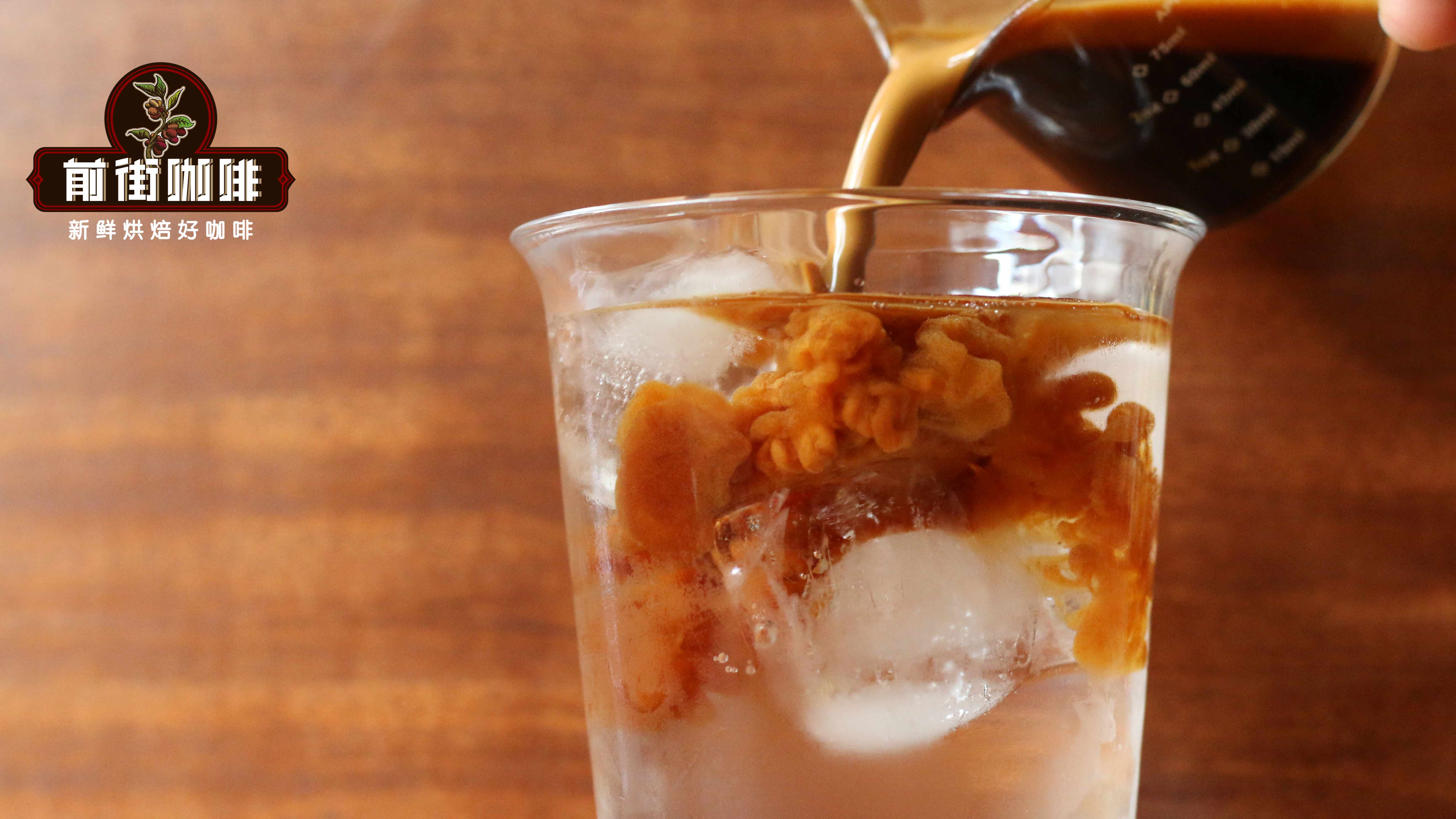
Make Starbucks Nitro Cold Brew at Home: A Detailed Guide to Nitro Cold Brew and Sparkling Black Coffee Recipes
On a scorching summer day, a glass of icy coffee always refreshes the spirit. When Starbucks introduced Nitro Cold Brew in North America years ago, its dense foam and creamy smoothness—created by infusing nitrogen—quickly won the hearts of many coffee lovers. So can this unique coffee experience be recreated at home? This article will explain in detail how to make cold brew coffee, breaking down everything from bean selection and grind ratio to the cold extraction steps, and share two practical methods for making nitro cold brew at home, so you can easily enjoy the refreshing flavor of bubbles interwoven with cold brew. [more…]
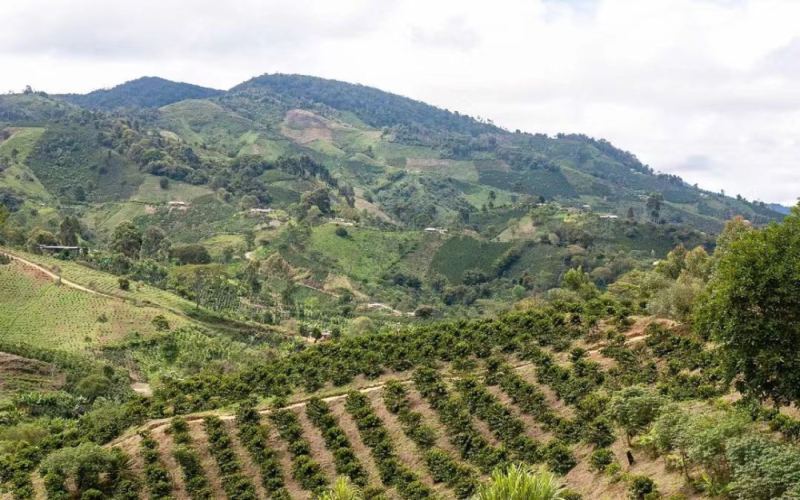
Colombian Coffee Brand Roundup: A Guide to Regional Terroir Analysis and Pour-Over and Espresso Bean Recommendations
Colombia is a major global producer of specialty coffee, and its high-altitude growing regions yield premium beans with bright acidity and a rich, full-bodied cup. This article systematically breaks down the characteristics of Colombia's main coffee regions and compiles a buying list of Colombian coffee beans suited to pour-over, espresso SOE, and moka pot brewing, covering different processing methods such as washed and anaerobic natural, and catering to both beginners and more advanced drinkers. We also recommend reliable purchasing channels to help you find Colombian coffee beans with pure flavor and outstanding value for money. [more…]